
Certified Business
With over 10000+ orders
With over 10000+ orders
The difference between materials that can be heat pressed and materials that cannot be heat pressed comes down to how much the material can tolerate high heat without melting, shrinking, or getting damaged in some other way.
Understanding which materials are safe to use helps you avoid ruining garments, wasting transfer vinyl, or damaging expensive blanks.
| Material | Can It Be Heat Pressed? |
| Polyester (100%) | Yes |
| Nylon | Usually No |
| Leather | Yes (with care) |
| Wood | Yes |
| Satin | Usually No |
| Canvas | Yes |
| Polyester Spandex | Yes (low heat) |
| Silk | No |
| Cotton | Yes |
| Fleece | No |
| Acrylic | No |
Some materials, like leather, polyester, and spandex, can technically be pressed with very specific temperature settings, but in general practice, many of them are avoided because the risk of damage is high.
 Why Can Some Materials Not Be Heat Pressed?
The answer usually comes down to a few key criteria. Heat pressing involves high temperature (1500W+), pressure, and time, which means the material being pressed must be able to tolerate heat without melting, shrinking, scorching, or becoming permanently damaged.
Materials that handle heat well (like many fabrics and some natural materials) are usually safe for heat pressing. On the other hand, delicate fabrics, certain synthetics, or heat-sensitive surfaces may warp, melt, or discolor under the heat press.
Many beginners are surprised that some materials can actually handle heat pressing quite well. Below are five common materials people frequently question.
However, polyester tolerates moderate heat settings surprisingly well. In fact, not only is it okay to heat press on polyester, but it is also widely done, especially in sports. The key is simply adjusting the temperature, usually around 280°F–300°F, depending on the transfer type.
Polyester is commonly used for sports jerseys, performance shirts, and other kinds of athletic wear
The fear and uncertainty around heat pressing polyester is understandable: polyester is a synthetic fabric, and many synthetic materials melt when exposed to heat.
So, because a heat press can reach temperatures above 300°F, people often assume polyester cannot handle the process.

Cotton is actually one of the best materials for heat pressing, and many people actually consider it to be the most beginner-friendly material for heat pressing. This is because:
It can tolerate high temperatures and holds heat transfer vinyl (HTV) extremely well.
It is ideal for common, familiar, and easily marketable items like T-shirts, tote bags, hoodies, aprons, etc.
Because of its durability and heat tolerance, cotton is often considered the most beginner-friendly heat press material. Some beginners worry that it might shrink or burn during heat pressing, especially when using high temperatures, but that is not the case.
Canvas is thick and textured, so people sometimes worry that the heat transfer won’t adhere properly.
However, canvas works for heat pressing because it is made from heavy cotton or cotton blends, which are both compatible with heat pressing. With proper pressure, heat transfers bond extremely well to canvas surfaces. The thicker surface often requires slightly higher pressure, but otherwise it works very well.
Common heat-pressing canvas is actually quite common for items like tote bags, shoes, banners, and backpacks
Stretch fabrics like polyester spandex are delicate and flexible, which makes people worry that heat pressing could damage or distort the material.
However, polyester spandex blends can be heat-pressed if you work at lower temperatures and shorten the press time. The key is using stretch-compatible HTV and keeping temperatures lower to prevent scorching.
It is actually not uncommon for people to heat-press polyester spandex. These materials are commonly used in leggings, athletic clothing, and compression wear.

Leather seems like a material that might burn, crack, or warp when exposed to a heat press, but it handles heat pressing very well when you do it properly.
Both genuine and synthetic leather can be heat-pressed successfully, especially when:
You press at lower temperatures
You apply protective sheets
Heat pressing is commonly used on leather for custom patches, logos, and branding on bags and wallets
Some materials simply do not respond well to the heat and pressure involved in the heat-press process. Even though people often try them, they usually end in damaged materials or failed transfers.
Nylon is commonly used in jackets, bags, and outdoor gear, which makes people assume it should handle heat pressing, but it really does not.
Nylon is extremely heat sensitive and can easily melt, wrinkle, or become permanently shiny. Although special low-temperature transfers exist for nylon, standard heat pressing often damages it.
Satin garments look similar to polyester fabrics, so many people assume they behave the same way, but they cannot be heat-pressed.
Satin has a very delicate surface finish. Heat pressing can easily cause scorch marks, shine marks, and permanent texture damage. Because satin is so fragile, it’s usually avoided in heat press applications.

Silk is a premium fabric, so people often assume it should handle professional customization methods like heat pressing, but it does not.
Silk is extremely heat-sensitive and delicate. High temperatures can weaken its fibers, burn the fabric, and permanently stain the surface. This explains why silk garments are typically customized using embroidery or screen printing instead.
Fleece jackets and blankets are commonly customized items, so people sometimes assume heat pressing is the best method, but they do not handle heat pressing well.
Fleece has a thick, fluffy texture, which makes it difficult for transfers to adhere properly. Heat pressing can also flatten the fibers and damage the material’s soft texture.
Instead, fleece items are usually decorated with embroidery and sewn patches.
Acrylic materials are often used in signage and rigid surfaces, which makes people assume they should work with heat presses, but they usually do not.
Acrylic melts and warps easily under heat. Since heat presses operate at high temperatures, acrylic surfaces can bubble, warp, or crack. For acrylic, laser engraving or UV printing is usually a better choice.

Some heat press machines offer much more flexibility than others, especially when it comes to the range of materials they can handle. The biggest factors are temperature control, pressure control, and platen design.
High-quality heat presses allow precise temperature adjustments. This makes it easier to work with heat-sensitive materials like polyester blends, leather, and stretch fabrics
Machines with inaccurate temperature readings can easily damage materials.
Different materials require different pressure levels. Thick materials like canvas, for example, require higher pressure while delicate fabrics need lighter pressure.
A machine with adjustable pressure provides much better versatility.
Some heat presses come with interchangeable platens for different surfaces, such as hats, mugs, plates, and shoes. These attachments allow the machine to work with many more materials and product types.
Higher-quality machines distribute heat evenly across the platen. This prevents uneven transfers, scorched materials, and weak adhesion.
Even heating is especially important when working with delicate fabrics.

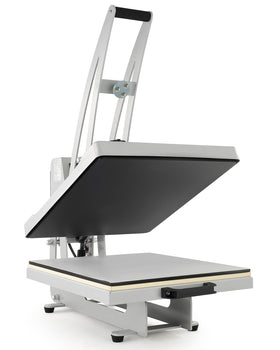
The Creworks12x15 Inch Heat Press Machine has a 12x15-inch heat pad that will let you easily and safely add your design from heat transfer or sublimation paper and vinyl to fabric, ceramic, and other mediums.
With this machine, you can add your own images to T-shirts, dresses, phone cases, and school bags. This press also comes with 7 other attachments, offering you more possibilities to create your own products, such as various sizes of mugs. Sell gifts like pillow cases, plates, caps, baby onesies, decorative tiles, and even coasters.
 Final Thoughts on Heat Pressing Materials
Heat pressing is an incredibly versatile customization method, but not every material reacts well to high heat and pressure.
Materials like cotton, polyester, canvas, leather, and polyester blends work very well, while delicate fabrics like silk, satin, fleece, nylon, and acrylic are usually better customized using other methods.
The key to successful heat pressing is understanding how different materials respond to heat, adjusting your machine settings accordingly, and choosing the right heat press equipment.
With this background, you may be interested in why heat presses smell, and how that could depend on what materials you put on them.



Leave a comment