
Certified Business
With over 10000+ orders
With over 10000+ orders
It is absolutely normal for a heat press machine to have a smell, especially if it is new. Usually, it is because the machine is new or freshly serviced, but a heat press can also smell when you are running certain materials that can all produce odors. The point is, most of the time, the smell is harmless and temporary.
That said, some smells from a heat press machine are warning signs that something isn’t right and shouldn’t be ignored. The key is knowing what kind of smell you’re dealing with, where it’s coming from, and whether it’s a normal “break-in” issue or a problem that needs fixing.
If your heat press machine is new, it is normal for it to produce a mildly chemical or “hot metal” smell, especially during the first few hours or days of use. You know it is a smell associated with the machine being new when:
This smell happens because all the chemicals and materials that are used to produce the machine (manufacturing oils, protective coatings, adhesives, and insulation materials) are heating up for the first time.

To get rid of this smell, ensure that your room is well ventilated (or take the machine outside if possible), run the press empty at operating temperature for about 20-30 minutes, and wipe the platen with a clean cloth (when it cools).
Overall, the key is to be patient: it is normal for a new heat press machine to smell, and the smell usually disappears completely after a few sessions
If your heat press machine suddenly starts smelling after you have been using it for some time, and the smell appears only when the press is hot, it is likely because there is residue on the platen, which needs to be cleaned.
When this happens:
This happens because, over time, small bits of heat transfer vinyl (HTV), adhesive, ink, fabric fibers, or paper residue can stick to the platen. When reheated, these materials burn slightly and create an odor.
Fortunately, this problem is very common and easily fixable. All you have to do is clean the platen and take some measures to ensure that these substances don't build up on it. Follow these steps:

Some materials just smell bad when heated, and this may cause your heat press machine to smell bad. Vinyl, sublimation ink, polyester fabrics, rubber-based transfers, and certain adhesives all release odors at high temperatures.
You know the heat press machine smell is a result of the material you are pressing when:
This problem is annoying, but it is not an indication that there is something wrong with your heat press machine. While you cannot eliminate the smell, you can take the following measures to mitigate it:
It is always important to understand what works best when pressing different types of materials. Heat pressing nylon, leather, wood, and polyester, for example, requires some attention to detail.
Another common reason why heat press machines smell is that the machine overheats, and the fabric gets burned. You know this has happened when:
Running the press hotter than necessary can burn transfer materials, fabric coatings, or residue, which will produce stronger and more unpleasant smells.
First, understand that this is a setup issue and not a machine defect. Adjusting your settings and confirming your platen accuracy will help solve this problem.
Follow these steps:
In short, understanding how to set the right heat press machine temperature for every fabric is crucial for a heat press machine.

If your heat press machine smells like burnt plastic or insulation, it is most likely that the internal electrical components are heating up. When this happens:
Heating elements, wiring insulation, or internal components can emit a smell if they’re overheating or wearing out.
To solve this problem, you need to turn the machine off and allow these internal components to cool. Follow these steps:
Keep in mind that though this is salvageable (if you take immediate action), it is not normal. You may need to seek professional repair if it keeps happening.
If your heat press machine starts to smell after being in storage for a long time, it is likely due to the dust or debris that has settled inside the machine. Dust can settle inside vents or around heating elements. When the press heats up, the dust burns off slightly and smells.
This is a relatively minor problem, and you can easily solve it by blowing out the vents with compressed air. However, take the following steps to mitigate further smells and potential damage:

If your meat press machine is producing a strong, recurring smell, accompanied by uneven heating or fluctuations in temperatures, it is likely because some heating element within the machine has broken down.
This is the least likely, but most damaging reason why a heat press machine would smell. You know this has happened when:
It is normal for the internal components of a heat press machine to degrade over time. When the insulation or heating elements begin to break down, the machine may begin to produce unpleasant odors.
This is a rare but serious problem. The best step to take is to immediately stop using the press, contact the manufacturer's support, and have the faulty part(s) replaced if possible.
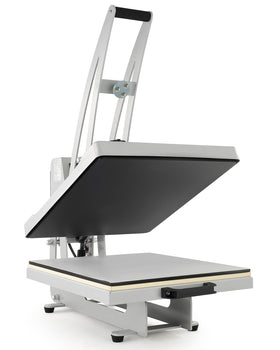
In a heat press machine, the parts that experience the most heat are likely to start smelling. These are the areas you should be checking first when trying to find out the origin of the smell:

If odor matters to you, focus on these features when choosing a heat press:
A well-built heat press won’t eliminate smells, but it will minimize them and prevent dangerous ones.
Crework’s 8-in-1 Heat Press Machine is an affordable heat press that comes with all the components you need for long-term use. It provides a whopping 1250W of heating power to get up to 480°F (250°C), offers time settings up to 999 seconds (16.7 minutes), and gives its platen a full 360 degrees of rotation for your convenience.

This powerful but easy-to-use heat press also makes a great gift to encourage an artist in your life, allowing them to safely and easily create their own wearable gifts and products.
The key is to remember that a heat press machine smelling isn’t automatically a problem. In fact, most odors come from normal causes like break-in periods, material residue, or the transfers you’re pressing. These are easy to identify and fix with proper cleaning, ventilation, and temperature control.
However, persistent electrical or burning plastic smells should never be ignored. Knowing what’s normal and what’s not helps you protect your equipment, your workspace, and your projects.
Explore a full guide on how to use a heat press machine from Creworks



Leave a comment