
Certified Business
With over 10000+ orders
With over 10000+ orders
When installing a dehumidifier in a crawl space, it is important to remember that your goal is not to make the space “dry like a desert”. You need it to be just dry enough to stop mold, rot, and moisture buildup, but still stay stable all-year round.
Your goal is to keep the relative humidity around 50–60%, prevent condensation, damp insulation, and wet wood, and reduce musty odors and improve air entering the home, while protecting wood framing from rot and long-term damage.

Before you begin the installation process, it is important to gather all necessary materials and tools. This preparation ensures that you won’t face delays or have to make multiple trips to the supply store, which can disrupt your workflow and add to your stress.
| Item | Description and Purpose |
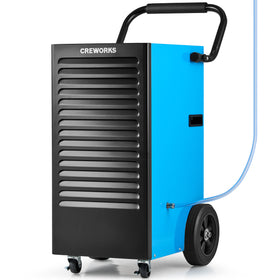
| Crawl-space dehumidifier | The main unit for removing excess moisture from the air |
| Flexible ducting or hose | To route the condensed water safely out of the crawl space |
| Power Supply and Extension Cord | For electrical access, especially if the crawl space outlet is distant |
| Mounting brackets or hardware | To secure the dehumidifier in place and reduce vibration movements |
| Tools (screwdrivers, pliers, drill) | For installation tasks such as securing brackets and making adjustments |
| Safety equipment (gloves, mask) | To ensure a safe working environment, especially in tight spaces |
| Measuring tape and level | To verify that the dehumidifier is installed correctly and evenly |
Having all these materials ready before you start simplifies your process and makes it easier to follow along with each installation step.
Now that you have set your objective and gathered the materials, let us take you through each step of the installation process. This step-by-step guide is designed to be clear and easy to follow so you can confidently complete the task on your own.

First, choose the optimal location for your dehumidifier within the crawl space. The chosen spot should allow for maximum airflow, easy access to the power outlet, and convenience for maintenance tasks. Ensure that the area is relatively flat so that the unit sits securely.
Avoid placing the dehumidifier directly on the ground if possible; instead, consider a small platform or mounting bracket to prevent damage from debris or minor flooding.
Before installing the dehumidifier, clean the crawl space to remove dust and any debris. Consider checking for water leaks or any other signs of moisture intrusion. It is also a good idea to inspect insulation and other materials that may be affected by high humidity levels.
This preparation phase not only helps in achieving a smoother installation process but also gives you insights into potential underlying issues that may need addressing.
If your dehumidifier requires mounting, securely attach the brackets or mounting hardware to a stable wall or support structure.
Using a level during installation can ensure that the unit hangs evenly, which is important for its proper functioning. Ensure that you drill pilot holes and use the correct size screws to avoid loosening or damage to the supporting surface.
Gently place or attach the dehumidifier to the prepared mounting area. Confirm that the unit is level and that there is sufficient space around it for proper ventilation.
Check that all access panels are unobstructed and that any control features are easily reachable. A well-positioned unit ensures efficient moisture removal and extends the overall life of the dehumidifier.
Most dehumidifiers have a drainage system that removes the collected moisture. Connect the flexible ducting or hose to the drainage outlet on your dehumidifier.
Route the hose so that it directs water away from the crawl space and the home’s foundation, ideally leading to a drainage area or sump pit. Ensure that the hose is securely attached and positioned to facilitate uninterrupted flow.
Safety is a priority during installation. Begin by verifying that the power supply in your crawl space meets the dehumidifier’s requirements. Plug in the unit or hardwire it according to the manufacturer’s instructions. It is advisable to use a ground fault circuit interrupter (GFCI) outlet for safety reasons, especially in a damp environment.
Once the installation is complete, turn on the dehumidifier to ensure it operates as expected. Monitor the unit for a short period, especially during the initial stages, to confirm that it is removing moisture effectively.
Check all associated connections, and listen for any unusual noises that might indicate mechanical or installation issues. Make necessary adjustments if any part of the system does not work properly.
Set up a regular maintenance schedule to periodically inspect the unit, clean filters, and check hoses for any blockages. Routine maintenance not only guarantees efficient operation but also prolongs the life of your dehumidifier. This step is crucial for keeping your crawl space dry and avoiding future hazards.
 Mistakes to Avoid When Installing a Dehumidifier in a Crawl Space
Even a well-guided installation process can meet with pitfalls if common mistakes are not avoided. Here are some errors to steer clear of during your project:
One of the most common mistakes involves not adequately assessing the best location to install the dehumidifier. An improper location may limit the unit’s efficiency due to obstructed ventilation or poor drainage pathways. Avoid installing the dehumidifier in dead corners or extremely cramped areas that do not allow airflow.
Skipping the cleaning and inspection of the crawl space can lead to complications after installation. Dust, debris, or existing water damage might prevent the unit from functioning optimally. Always take a moment to prepare your workspace thoroughly before installation begins.
A frequent error is the improper routing of the drainage hose. If the hose is too short or not securely fixed, it can lead to leaks or water pooling in the space. Ensure that there is an appropriate downward gradient so water can flow freely away from your home’s foundation. Also, check for any kinks or blockages in the hose regularly.
Never compromise on electrical safety, especially when working in damp spaces. Many installation mistakes stem from using improper electrical connections, which can be very dangerous. Double-check that all connections are safe and secure and that you are using the correct type of outlet. Remember to always disconnect any power source while performing maintenance or repairs.
Not all dehumidifiers are designed for use in a crawl space. Selecting a unit that is too large or lacks the necessary features for a confined and damp area can reduce efficiency. Avoid purchasing a dehumidifier that does not meet the size and power requirements stipulated for your specific crawl space.

When choosing a dehumidifier specifically for a crawl space, there are important factors to consider to ensure you have the right fit for your needs. Crawl space dehumidifiers are unique due to the environment in which they operate, so it is essential to select a model that is robust and efficient.
When choosing a dehumidifier for a crawl space, you want a unit that is one that is purpose-built for the environment. It should be efficient enough to handle excess moisture, durable enough to perform in a challenging setting, and simple to maintain.
Choose a unit with the proper moisture removal capacity. The capacity should be matched to the size of your crawl space and the average humidity level. Typically, a smaller crawl space may require a less powerful unit compared to larger spaces or spaces with persistent damp issues.
Since crawl spaces are often damp and dusty, invest in a dehumidifier that is built to withstand harsh conditions. The unit should have durable components and be designed for continuous operation in challenging environments.
Opt for an energy-efficient model to keep your operational costs down. Look for dehumidifiers with energy-saving features such as automatic humidity sensors that adjust operation based on the moisture level. This not only prolongs the lifespan of the unit but also keeps your energy bills manageable.
The design of the dehumidifier should allow for easy maintenance. Models with removable filters and accessible drainage systems tend to be more user-friendly, which is particularly important when the unit is installed in a tight space.
Since crawl spaces are close to your living areas, it is beneficial to choose a dehumidifier that operates quietly. Excess noise can be disruptive, especially in homes where the crawl space is adjacent to bedrooms or workspaces.
When comparing available models, make sure you evaluate the specifications carefully and select only a unit that fully meets the conditions your crawl space presents.
| Step/Aspect | Key Points |
| Objective | Reduce moisture, prevent mold, protect the foundation, and increase the lifespan of materials |
| Required Materials | Dehumidifier unit, flexible hose, mounting hardware, safety equipment, and electrical tools |
| Installation Process | Plan placement, prepare space, install mounting hardware, position the unit, connect drainage, electrical hookup, test, and maintain. |
| Common Mistakes | Poor location, inadequate space preparation, drainage issues, electrical safety lapses, incorrect unit selection |
| Dehumidifier Selection Criteria | Capacity, durability, energy efficiency, ease of maintenance, quiet operation |
Installing a dehumidifier in your crawl space can be a highly effective method for dealing with excess moisture. By setting clear objectives, preparing the space, and carefully following each installation step, you can ensure that the process is smooth and efficient.
Being mindful of common pitfalls and selecting the right unit for your needs will contribute greatly to the success of your project.
For all the materials needed for this installation, Creworks serves as the reliable supplier. They are dedicated to providing high-quality products that meet the requirements of your home improvement projects. Enjoy the process and the peace of mind that comes with a dry and well-maintained crawl space.
You might also be interested in the top signs your crawl space needs a dehumidifier.



Leave a comment